Food as a culture.
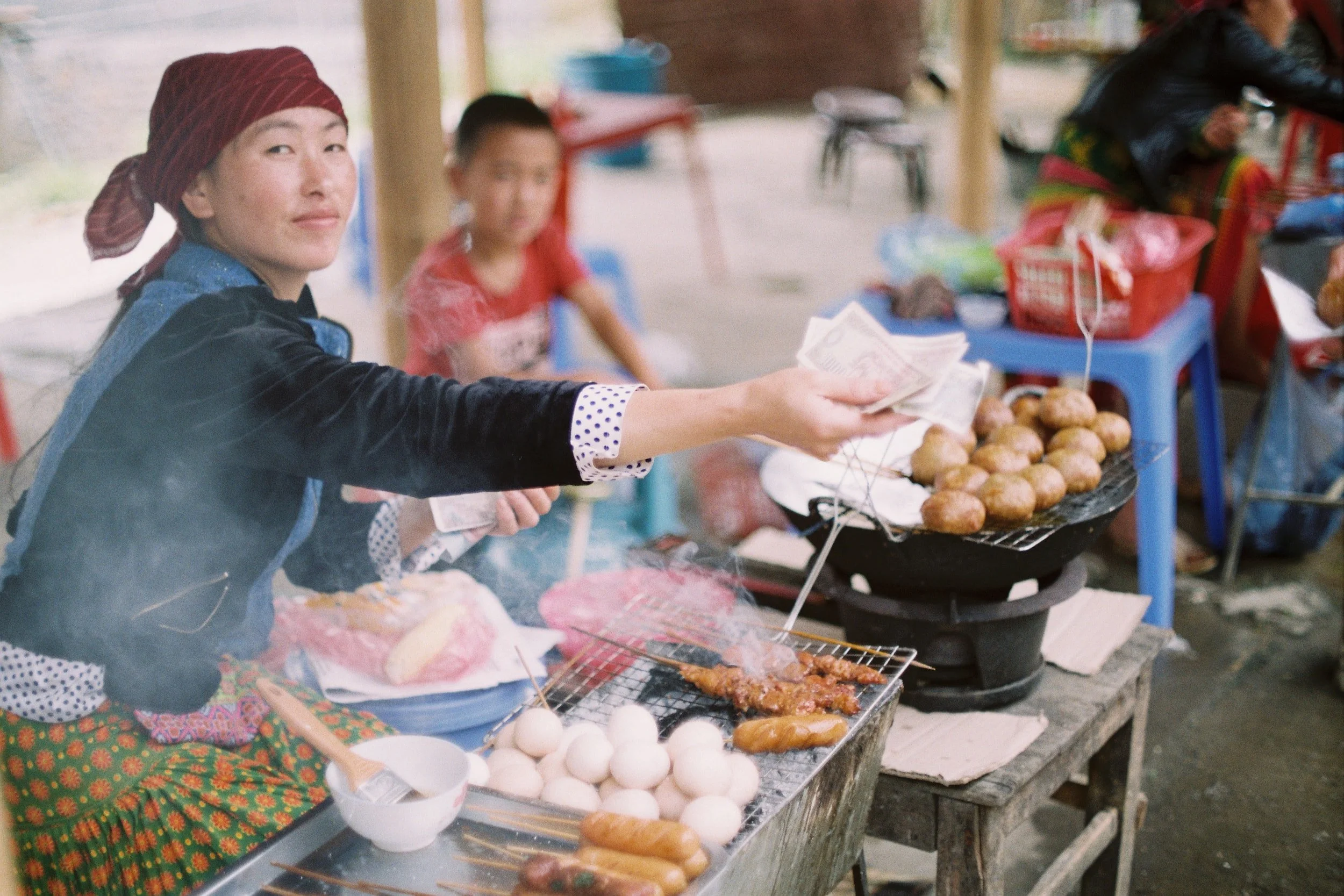
Food is a vital part of every culture around the world. Not only does it provide nourishment and sustenance, but it also plays a significant role in shaping cultural identity and traditions. In many cultures, food is closely tied to religious and spiritual practices, and it is often used as a means of bringing people together.
In many traditional societies, food is an important part of religious ceremonies and rituals. For example, in Hindu culture, food is offered to the gods and goddesses as a form of worship. In Judaism, certain foods are eaten during religious holidays to commemorate historical events or to fulfill a religious commandment.
Food is also a significant part of social gatherings and celebrations. In many cultures, meals are an opportunity for friends and family to come together and share stories, news, and laughter. In some cultures, food is used as a way of expressing hospitality and welcoming guests into one's home. In others, food is a central part of courtship and dating, with couples sharing meals as a way of getting to know each other.
Food can also be a source of national pride and cultural identity. Many countries have national dishes that are closely associated with their culture and history. For example, in Italy, pasta is a national dish that is deeply rooted in Italian culture and history. In China, rice is a staple food that has been eaten for thousands of years and is closely associated with Chinese culture.
In addition to its cultural and social significance, food is also a key aspect of many people's daily lives. For many, meal times are a chance to relax, recharge, and socialize with others. For others, food is a source of comfort and familiarity, providing a sense of security and stability.
In conclusion, food is an integral part of every culture, playing a crucial role in shaping cultural identity, traditions, and daily life. Whether it is used as a form of worship, a means of socialization, or a source of national pride, food is a vital part of human culture and should be celebrated and appreciated.